
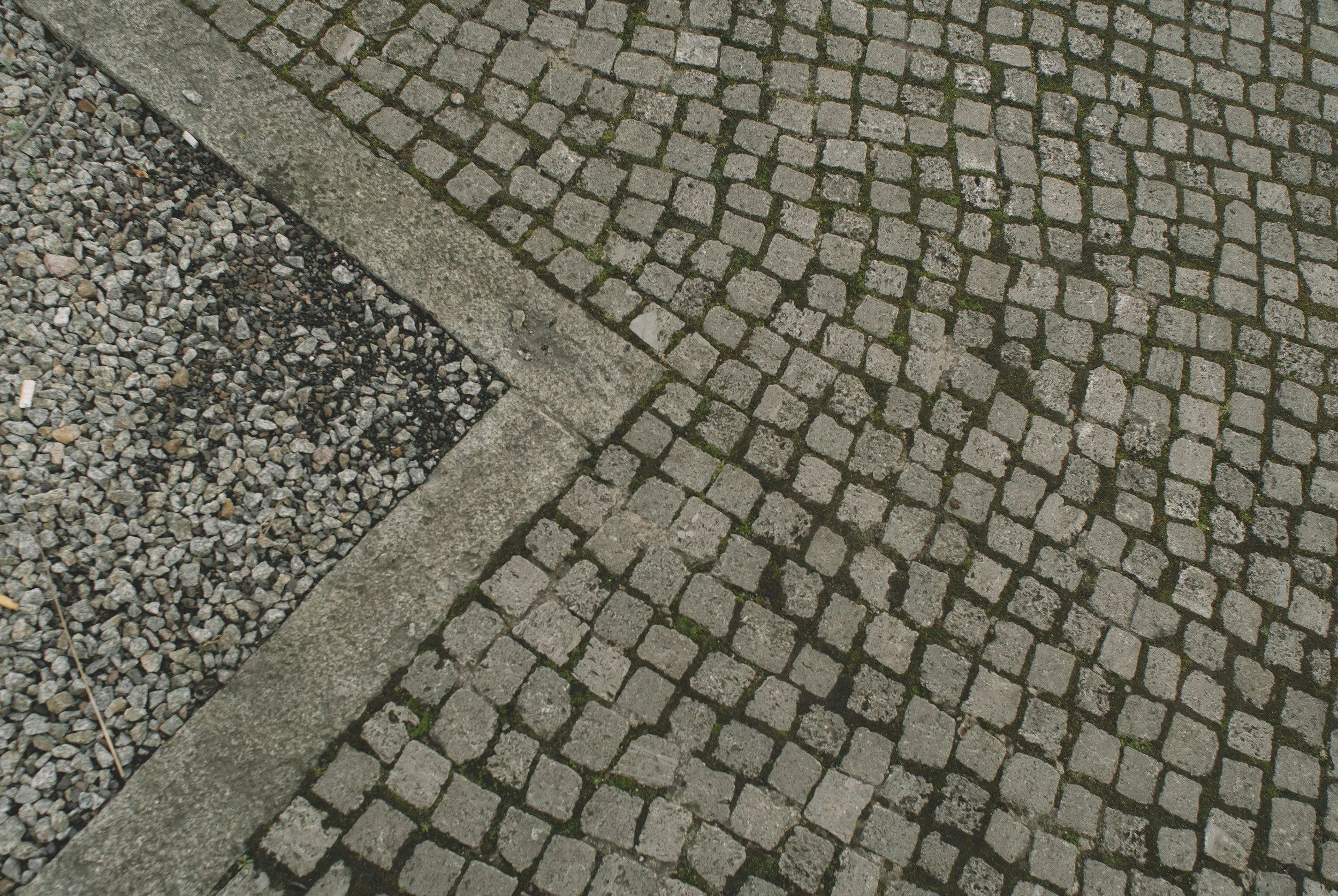
Why Are My Pavers Sinking? Causes and How to Prevent It
Understanding Uneven Pavers and How to Avoid Costly Repairs
A beautiful driveway or patio should remain level and stable for years. If your pavers are beginning to sink, separate, or become uneven, you're not alone.
Sunken pavers are one of the most common issues homeowners experience, but they're also one of the most preventable.
Common Causes
Poor Base Preparation
A stable foundation is essential for every paver installation. Without proper excavation and compaction, the surface may settle unevenly over time.
Improper Drainage
Water is one of the leading causes of sinking pavers. Excess moisture can wash away the base material beneath the pavers, leading to movement and settling.
Soil Movement
Florida's sandy soils naturally shift over time, especially after heavy rainfall.
Heavy Vehicle Traffic
Driveways that weren't built with an adequate base may settle under the repeated weight of vehicles.
Tree Roots
Growing roots can lift or displace pavers, creating uneven surfaces.
Prevention Tips
Proper excavation
Professional base preparation
Correct compaction
Effective drainage
Routine maintenance
Quality installation
Can Sunken Pavers Be Repaired?
In many cases, yes.
Unlike poured concrete, individual pavers can often be lifted, the base corrected, and the pavers reinstalled without replacing the entire surface.
Conclusion
Professional installation is the best way to prevent future settling and protect your investment.
Frequently Asked Questions
-
Pavers usually sink due to poor base preparation, improper drainage, soil movement, heavy vehicle traffic, or tree root growth. Identifying the underlying cause is important to prevent the problem from returning after repairs.
-
Yes. One of the biggest advantages of pavers is that individual sections can often be lifted, the base repaired or re-compacted, and the same pavers reinstalled. This makes repairs more cost-effective than replacing an entire concrete slab.
-
A small amount of settling can occur naturally, especially in areas with sandy soil like South Florida. However, significant sinking, uneven surfaces, or loose pavers usually indicate an underlying issue that should be inspected.
-
The best way to prevent sinking is through proper installation. This includes professional excavation, a well-compacted base, correct grading, effective drainage, and routine maintenance to keep the surface stable for years.
-
Yes. As tree roots grow, they can lift, shift, or separate pavers, creating uneven surfaces and potential tripping hazards. Choosing the right tree locations and addressing root growth early can help minimize damage.
-
Driveways support the weight of vehicles every day. If the base is not designed to handle heavy loads, the pavers may begin to settle over time. Driveways require a stronger, deeper foundation than patios or walkways.
-
Yes. South Florida's frequent rainstorms can contribute to erosion beneath pavers if drainage is inadequate. Proper grading and drainage systems help reduce the risk of settling caused by heavy rainfall.
-
With proper installation and routine maintenance, pavers can last for decades. A well-prepared base, quality materials, and occasional cleaning and sealing all contribute to long-term performance.
-
If you notice uneven surfaces, loose pavers, pooling water, widening joints, or areas that continue to sink, it's a good idea to have your pavers inspected. Addressing small problems early can help prevent more extensive repairs later.
Ready to Transform Your Outdoor Space?
Whether you're planning a new driveway, patio, pool deck, or complete landscape transformation, our experienced team is here to help.
Schedule your FREE consultation today and let Boca Pavers Florida bring your vision to life.
Get in Touch
Email: bocapaver@gmail.com
Address: Boca Raton
Assistant Hours:
Mon - Sat - 8:00 AM - 5:00 PM
Sunday- Closed
Contact Number: +1 561.562.2027